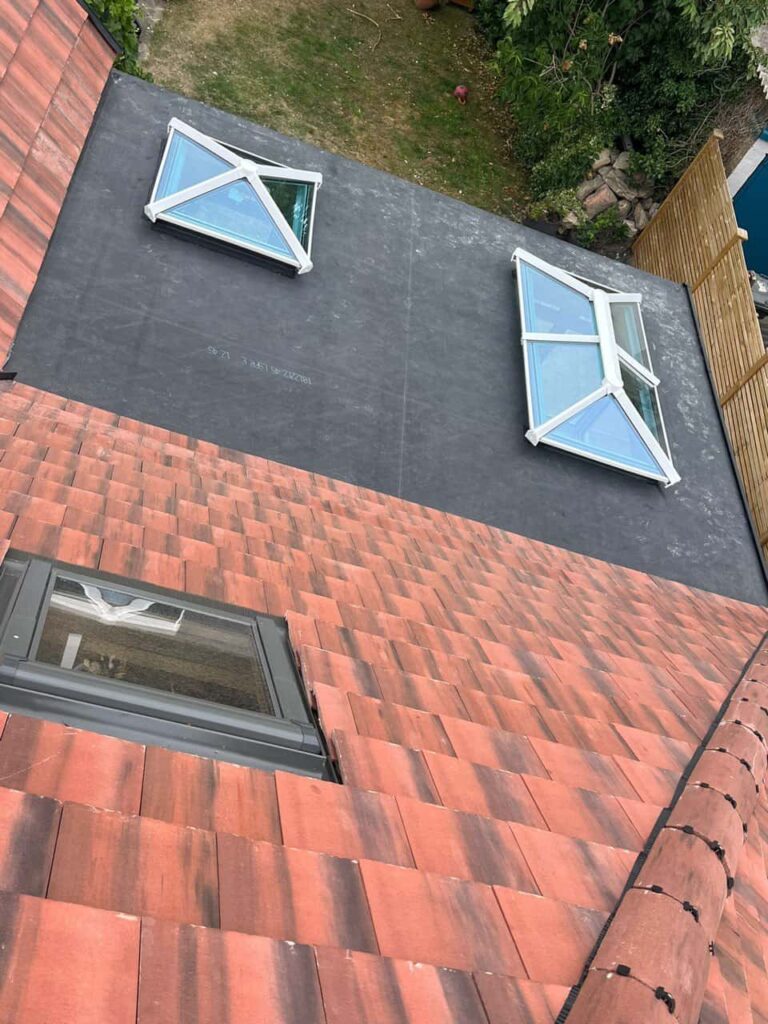
Deciding whether a roof requires replacement should be based on its overall condition rather than age or appearance alone. Some older roofs remain serviceable with targeted repairs, while others contain widespread deterioration that makes further patching unreliable.
A professional assessment considers the visible covering, concealed components, previous repair history and how effectively the roof is protecting the property. For homeowners in Pocklington, East Riding of Yorkshire, providing clear information before and during an inspection can help the roofer form a more accurate picture of the roof’s condition.
Information That Supports an Accurate Roof Replacement Assessment
Homeowners are not expected to diagnose roofing faults themselves. However, observations about leaks, previous work and changing roof performance can help guide the inspection towards areas that require particular attention.
The Approximate Age of the Roof
If known, the roof’s age gives the roofer useful background information. Different materials and construction methods can deteriorate in different ways, while the condition of underlay, battens and fixings may vary considerably between older and more recent installations.
Age alone does not prove that replacement is necessary. It should be considered alongside the present condition of the complete roofing system.
The History of Leaks
Explain when water ingress was first noticed, how frequently it occurs and whether particular weather conditions make it worse. A leak that appears only during wind-driven rain may have a different cause from one that develops after prolonged rainfall.
Helpful details include:
- Where damp or water first appeared
- Whether the problem affects one or several rooms
- How often it returns
- Whether stains are growing or changing position
- If leaks occur during particular wind directions
- Whether any loft timbers or insulation feel damp
Water can travel beneath a roof covering, so the internal symptom may not be directly below the entry point.
Previous Roof Repairs
A history of earlier work helps a roofer understand whether defects are isolated or recurring. Mention which areas have been repaired, what problems prompted the work and whether the repairs remained effective.
Several patches across different roof slopes may indicate general deterioration. By contrast, one successful repair followed by years of reliable performance does not necessarily suggest the complete roof is failing.
The Frequency of New Problems
A roof that requires occasional attention may still be suitable for repair. Concern increases when new defects begin appearing regularly or when different components deteriorate at roughly the same time.
Frequent slipped tiles, recurring mortar failure, repeated leaks and new flashing defects may show that the roof is becoming less dependable as a complete system.
Visible Changes to the Roof
Tell the roofer about any changes noticed from ground level. These may include:
- Cracked, loose or missing tiles
- Uneven or sagging roof sections
- Deteriorating ridge or hip mortar
- Loose materials around the property
- Damaged flashing
- Moss obstructing roof channels
- Water overflowing from gutters
- Changes to the roofline
Avoid climbing onto the roof to investigate. Many important defects require suitable access and professional assessment.
Signs Inside the Loft
The loft can provide valuable evidence of roof performance. Damp timbers, stained underlay, wet insulation, daylight through the covering and musty odours may all help locate areas of concern.
Condensation should also be distinguished from direct water ingress. A roofer can consider the pattern of moisture, ventilation and external roof condition together rather than assuming every damp area is caused by a leak.
The Type of Roof Covering
The roofer will identify the covering during the inspection, but any known information about the roof can be useful beforehand. State whether it is tiled, slated, flat or contains several different roof types.
The material affects how deterioration is assessed and which components may need replacing. A property with pitched and flat sections may require separate examination of each roofing system.
Roof Shape and Vulnerable Junctions
Chimneys, valleys, dormers, roof windows, abutments and changes in pitch create junctions that require careful weatherproofing. Problems around these features can sometimes make a roof appear more widely defective than it is.
An inspection should establish whether water ingress is caused by one vulnerable detail or by deterioration across the main roof covering.
The Condition of Tiles or Slates
A few damaged tiles or slates can often be replaced. Replacement becomes more likely when large numbers have become brittle, thin, porous, cracked or unstable.
The roofer will consider whether the existing covering can be safely retained and whether compatible replacement materials can be integrated effectively. Widespread surface deterioration often provides stronger evidence than age alone.
Underlay, Battens and Fixings
The visible roof covering is only one part of the system. Underlay provides secondary weather protection, battens support the tiles or slates, and fixings hold the covering in position.
Where accessible, these components should be checked for tearing, moisture damage, decay or loss of strength. Frequent tile movement may result from failing battens or fixings rather than damage to the tiles themselves.
Structural Condition
Sagging, distortion or movement may indicate a problem beneath the roof covering. The supporting timbers should be examined for signs of prolonged moisture exposure, deterioration or movement.
Structural concerns do not automatically mean every part of the roof must be replaced, but they need to be understood before new materials are installed.
Drainage and Ventilation Performance
A replacement assessment should consider how the roof manages both rainwater and internal moisture. Blocked valleys, unsuitable falls, overflowing gutters or inadequate ventilation can contribute to deterioration.
Correcting these issues as part of the roofing plan helps prevent the new covering from inheriting problems associated with the previous system.
What a Professional Assessment Should Establish
A thorough roof inspection should determine:
- Whether the damage is localised or widespread
- Which components remain serviceable
- Whether the underlying structure is sound
- Why previous defects have developed
- Whether further repairs are likely to remain effective
- What preparatory work would be required before replacement
The aim is to recommend work based on evidence rather than assuming that every ageing or leaking roof requires complete replacement.
Conclusion
Details about roof age, leak patterns, previous repairs, visible movement and internal damp can all help a roofer assess replacement needs. These observations should be combined with a professional inspection of the covering, flashing, underlay, battens, drainage and supporting structure.
If you are concerned that your roof in Pocklington, East Riding of Yorkshire, may need replacing, contact TRP Roofing Pocklington to arrange an assessment. The team can examine the complete roofing system and explain whether repair or replacement is the most appropriate next step.
Call us on: 01759 486 280
Click here to find out more about TRP Roofing Pocklington
Click here to complete our contact form and see how we can help with your roofing needs.