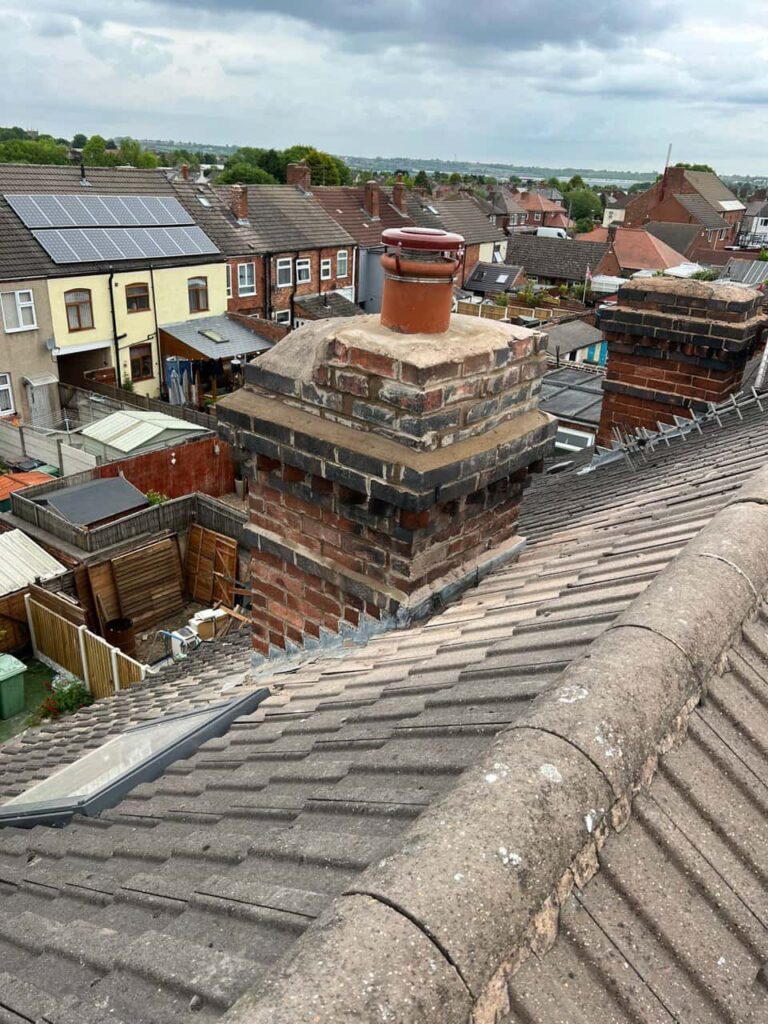
Storms can put significant pressure on a roof, even when the damage is not immediately visible from the ground. Strong winds, heavy rainfall and flying debris can affect tiles, flashing, gutters and other parts of the roofing system. For homeowners in Pocklington, East Riding of Yorkshire, arranging an inspection after severe weather can help identify problems before they become more serious.
Storm Damage Is Not Always Easy to See
One of the main reasons to have a roof inspected after a storm is that some damage may be difficult to spot without a closer assessment. A tile may have shifted slightly rather than fallen completely, while flashing can become loose or damaged without being obvious from ground level.
Small defects can still allow water to enter the roof structure. An inspection can help identify these issues and determine whether any repairs are needed.
Damaged Tiles Can Allow Water In
High winds can loosen, crack or displace roof tiles. Even if there are no obvious gaps, a damaged tile may no longer provide adequate protection against rain.
Once water gets beneath the roof covering, it can travel along the underlying materials before becoming visible inside the property. This means a ceiling stain or damp patch may appear some time after the original storm damage occurred.
Heavy Rain Can Expose Existing Weaknesses
Storms do not necessarily cause every roofing problem. Heavy rainfall can expose weaknesses that were already developing, such as deteriorated flashing, worn roof coverings or defective joints.
An inspection can help distinguish between newly damaged areas and existing deterioration. This makes it easier to identify the actual source of water ingress and decide what work is appropriate.
Loose Flashing Can Lead to Leaks
Flashing around chimneys, roof junctions and other vulnerable areas helps prevent rainwater from entering the building. Strong winds can loosen flashing or damage the seals around it.
If flashing has moved or developed gaps, further rainfall can increase the amount of water entering the roof. Checking these areas after a storm can help prevent a relatively small defect from developing into a more extensive roofing problem.
Gutters and Roof Edges Can Also Be Affected
Storm conditions can cause debris to collect in gutters and may damage or dislodge guttering. If water cannot flow away correctly, it may overflow against roof edges, walls or other parts of the property.
During a roof inspection, surrounding components can also be assessed to identify problems that could contribute to continued water ingress.
Early Inspection Can Prevent Further Deterioration
The longer storm damage is left unchecked, the greater the opportunity for rainwater to affect the roof structure and internal areas of the property. Moisture can contribute to damaged timber, damp patches and deterioration of surrounding materials.
Arranging an inspection promptly allows problems to be identified before they have more time to develop. This does not necessarily mean extensive work is required; the appropriate response depends on the condition and extent of the damage.
What Should You Look For After a Storm?
Homeowners in Pocklington should pay attention to signs such as:
- Missing, cracked or visibly displaced roof tiles
- Water stains on ceilings or walls
- Dampness or moisture in the loft
- Loose or damaged flashing
- Overflowing or damaged gutters
- Debris on the roof
- New leaks appearing during or after rainfall
- Visible daylight through parts of the roof
If you notice any of these signs, it is sensible to have the roof assessed rather than assuming the damage is minor.
Why Professional Roof Inspection Matters
A roof can appear intact from ground level while still having damage in less visible areas. A professional inspection allows vulnerable sections of the roofing system to be examined more carefully.
At TRP Roofing Pocklington, we can assess storm-damaged roofs and identify areas that may require attention. This helps homeowners understand the condition of their roof and address problems at the source.
Conclusion
Storm damage can range from a single displaced tile to problems affecting flashing, gutters and other parts of the roofing system. Because some defects are difficult to see, inspecting the roof as soon as possible after severe weather can help identify water ingress and prevent further deterioration.
If your roof in Pocklington, East Riding of Yorkshire, has been affected by a storm, contact TRP Roofing Pocklington to arrange an inspection and find out whether any repairs are required.
Call us on: 01759 486 280
Click here to find out more about TRP Roofing Pocklington
Click here to complete our contact form and see how we can help with your roofing needs.