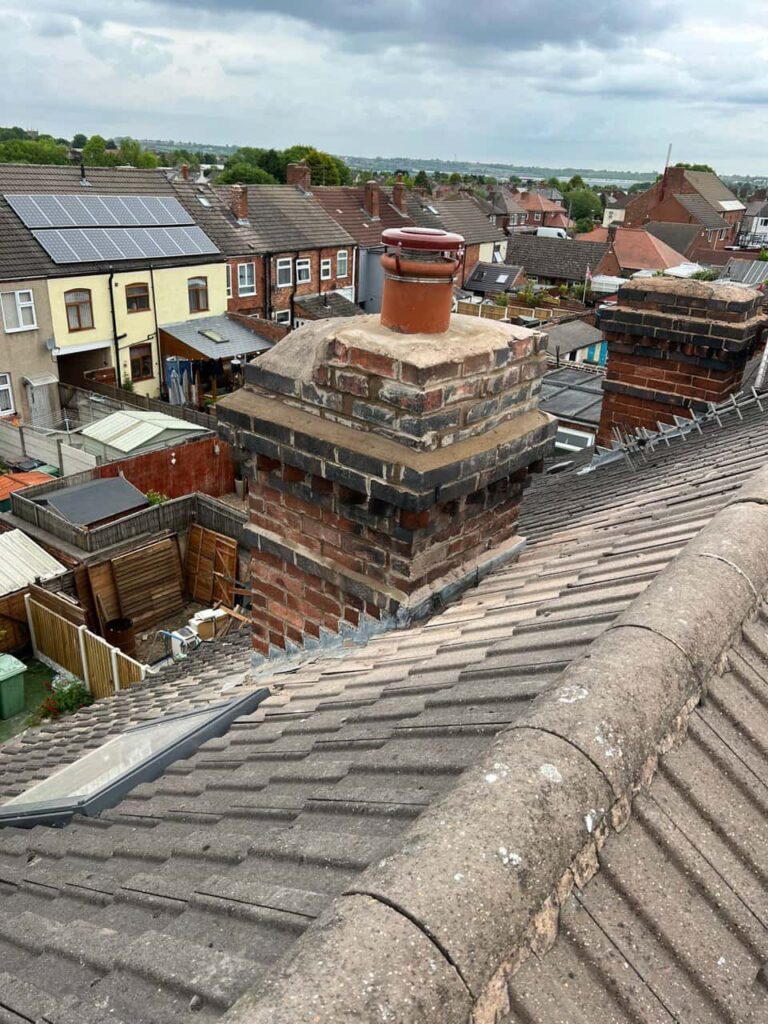
A tiled roof is one of the most durable and attractive roofing options available, offering decades of protection and aesthetic appeal. However, even the toughest roofing materials can develop issues over time, particularly cracked or broken tiles. Cracked tiles not only affect the appearance of your home but can also compromise the overall performance of the roof if left unaddressed. TRP Roofing Pocklington explores why tiles crack, what this means for your roof, and how to deal with the problem effectively to maintain the integrity of your property in Pocklington and across the East Riding of Yorkshire.
Understanding Why Roof Tiles Crack
Cracked roof tiles can develop for several reasons, and identifying the cause is the first step towards resolving the issue properly. While tiles are designed to withstand harsh weather, they are not invincible — and small cracks can quickly escalate into bigger problems if ignored.
Common causes of cracked roof tiles include:
1. Weather Extremes and Temperature Fluctuations
In the UK, roofs are constantly exposed to changing weather conditions — from freezing winters to hot summers. These temperature shifts cause roofing materials to expand and contract, putting stress on the tiles. Over time, this natural movement can lead to hairline fractures or complete cracking, especially in older or more brittle tiles.
2. Physical Impact Damage
Falling branches, hail, or even walking on the roof can cause impact damage. Clay and concrete tiles, while durable, can crack under excessive weight or sudden pressure. It’s common for older tiles to become more fragile with age, making them more susceptible to breakage.
3. Poor Installation Practices
Improper fitting during installation can significantly reduce the lifespan of roof tiles. If tiles are secured too tightly or placed unevenly, stress points can form. Over time, these stresses cause cracks that compromise both the structure and appearance of the roof.
4. Substrate or Structural Movement
The roof structure itself can move slightly due to natural settling, strong winds, or structural shifts in the property. This movement can lead to pressure along the tile edges or fixings, which can eventually cause cracks or even tile displacement.
5. Frost Damage
Water can seep into small pores or cracks in the tiles. When temperatures drop, the water freezes and expands, enlarging existing cracks or causing new ones to form. Repeated freeze-thaw cycles gradually weaken the material and lead to further damage.
6. Age and Wear
Like all materials, roof tiles have a finite lifespan. Over the years, exposure to UV rays, wind, and rain gradually wears down their surface. This makes them less flexible and more likely to crack under minor stress or impact.
The Consequences of Ignoring Cracked Roof Tiles
Even a single cracked tile can have consequences if left unchecked. Cracks allow water to penetrate beneath the surface layer of the roof, which can lead to moisture damage, internal leaks, and deterioration of the underlay.
Potential risks include:
- Water seeping into the roof space, damaging insulation or rafters.
- Growth of moss or algae, which holds moisture and accelerates decay.
- Reduced insulation efficiency, leading to heat loss.
- Wind uplift, where cracked tiles are more easily dislodged in bad weather.
Regular inspections by professionals such as TRP Roofing Pocklington can identify these problems early and prevent more costly repairs later.
How to Identify Cracked Roof Tiles
Cracked tiles are not always easy to spot from the ground. Some signs, however, can indicate an underlying problem that requires attention.
Look out for:
- Discoloured patches on the roof surface.
- Missing or uneven tiles.
- Damp marks or staining inside the loft.
- Growth of moss or lichen concentrated in certain areas.
- Granule loss or exposed sections of underlay.
If you notice any of these signs, it’s important to have a professional roof inspection carried out. Attempting to access or walk on a tiled roof without proper training can cause further damage or pose a safety risk.
What to Do When You Discover Cracked Tiles
If cracked tiles are identified, prompt action is key to preventing further deterioration. The best course of action depends on the severity and location of the damage.
Step 1: Get a Professional Roof Inspection
A qualified roofing expert can assess the full condition of the roof, determine the extent of the damage, and recommend appropriate repairs. At TRP Roofing Pocklington, we carefully inspect both the surface and sub-layers to ensure all underlying issues are addressed.
Step 2: Replace or Repair the Damaged Tiles
In many cases, individual cracked tiles can be replaced without disturbing the surrounding areas. However, if multiple tiles are affected or if there’s underlying damage, a larger section may need to be repaired to maintain uniformity and protection.
Step 3: Address the Root Cause
Replacing tiles without solving the underlying issue will only lead to recurring problems. Whether it’s poor ventilation, incorrect installation, or drainage issues, identifying the cause is crucial to preventing further damage.
Step 4: Schedule Preventative Maintenance
Regular roof maintenance ensures that minor issues are caught before they develop into major ones. This includes checking for displaced tiles, cleaning debris from gutters, and monitoring the condition of ridge caps and mortar joints.
Preventing Cracked Roof Tiles in the Future
Prevention is always better than repair when it comes to roofing. Consistent care and routine maintenance can significantly extend the lifespan of your tiled roof.
Practical prevention tips:
- Avoid walking on the roof: Always use professional roofers when access is needed.
- Trim overhanging branches: Prevent impact from falling debris and reduce moss growth.
- Ensure proper ventilation: Reduces temperature fluctuations and condensation beneath the tiles.
- Schedule annual inspections: Regular checks by professionals like TRP Roofing Pocklington can spot early signs of wear.
- Keep gutters clear: Proper drainage prevents standing water that can seep beneath tiles.
By maintaining your tiled roof properly, you not only protect your home from weather damage but also preserve its aesthetic and structural integrity.
Why Choose Professional Roofers for Tile Repairs
Repairing or replacing cracked tiles might seem like a simple task, but doing it correctly requires expertise, proper tools, and an understanding of roof structures. Professionals ensure that:
- Replacement tiles match the existing roof perfectly.
- Work is done safely and efficiently.
- The repair maintains weatherproofing and aesthetic consistency.
- The cause of cracking is correctly diagnosed and resolved.
TRP Roofing Pocklington provides high-quality repair and maintenance services tailored to the specific needs of tiled roofs in Pocklington and surrounding areas.
Conclusion
Cracked roof tiles are not just a cosmetic problem — they’re an early warning sign that your roof needs attention. Whether caused by weather, impact, or age, ignoring cracked tiles can lead to leaks and long-term structural issues. With expert care and regular inspections, your tiled roof can continue protecting your home for many years to come. For reliable, professional roofing solutions in Pocklington and across the East Riding of Yorkshire, TRP Roofing Pocklington ensures every roof remains strong, safe, and built to last.
Call us on: 01759 486 280
Click here to find out more about TRP Roofing Pocklington
Click here to complete our contact form and see how we can help with your roofing needs.